
Why Your Tailbone Hurts on Every Flight: 7 Things a Flight Attendant Wants You to Know
She saw the same thing on almost every long flight. Here’s what causes it, why the usual fixes stop working, and the one thing she now packs for every trip.

By Maria Coleman, Flight attendant
Updated {d+0} · 5 min read

There’s something I see on almost every long flight. It starts around the second hour. People begin to shift in their seats. They lean on one hip, then the other. Some fold a sweater or a blanket and sit on it.
By the time we land, they stand up slowly and hold on to the seat in front of them for a second before they reach for their bags. I’ve watched grown men wince in the aisle. I’ve watched grandmothers rub their lower back all the way to the exit.
Most of them think it’s their age, or a bad back, or just what flying is like now. I thought so too, until I understood what was actually happening. Here are the 7 things I wish every passenger knew before they board.
1. The ache starts in 2 small bones, not in your back
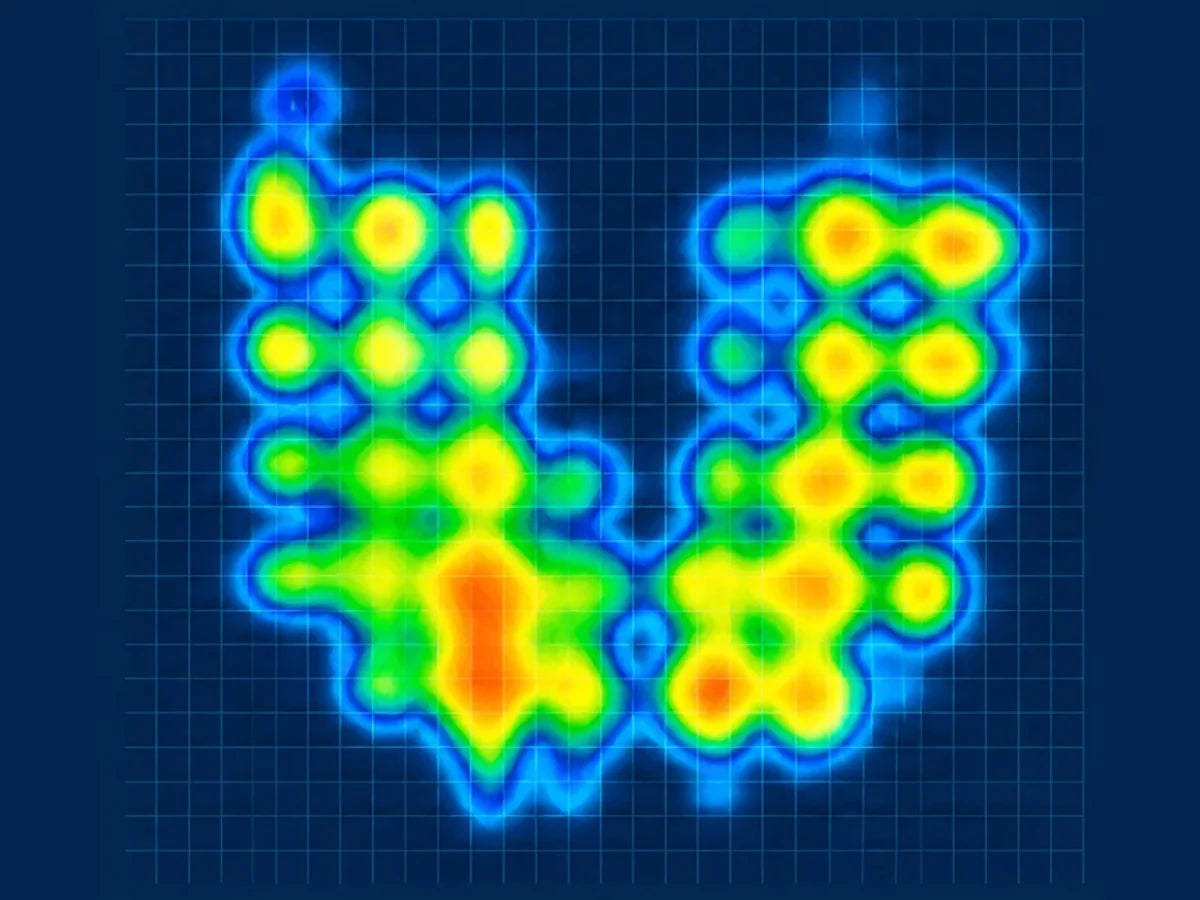
When you sit upright, almost all of your weight goes down onto 2 small bones at the bottom of your pelvis, called the sit bones, and onto your tailbone.
On a sofa, the cushion spreads that weight out. On a plane seat, it can’t. So the pressure stays on those 3 spots, hour after hour. That’s why the ache starts low and then moves up into your lower back and hips.
If the pain starts at the bottom and climbs up, the seat is the cause.
2. Plane seats have much less padding than they used to
Airlines make money by fitting more rows into the same plane. Since the 1990s, the space between rows in economy has gone from about 34 inches to about 30 or 31 on many airlines.
To make that work, the seats got thinner. Many newer economy seats are “slimline” seats: a thin layer of foam over a hard frame. They are lighter and take less space. They are also much harder to sit on for 4 hours.
You are sitting on less padding than passengers did 20 years ago, and flights are just as long.
3. The pillow under you only helps for the first hour
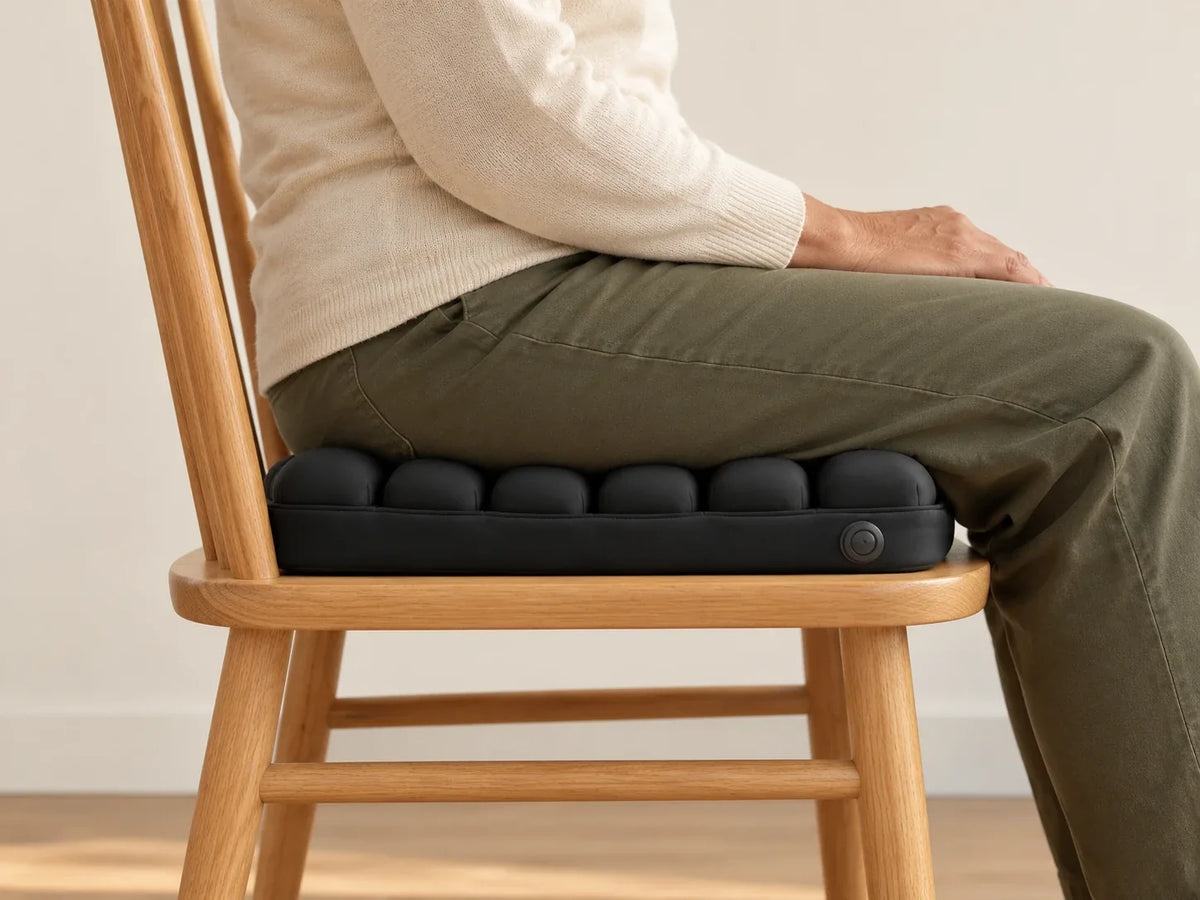
I’ve seen people try everything. The airline pillow. A rolled-up jacket. A foam cushion from the airport shop.
For the first hour, it helps. Then your weight presses the foam flat, right under the same 2 bones, and you’re back on the hard seat, just a little higher up. Gel cushions do the same thing, they just take a bit longer.
Foam and gel stay where you put them. Your weight keeps pushing down on the same spots.
4. What helps is moving the weight off those 2 spots
To stop the ache, the pressure on your sit bones and tailbone has to go somewhere else.
People who sit all day in wheelchairs have dealt with this for a long time. Many of them use cushions filled with small air cells that are connected to each other. When you press down on one cell, the air moves into the cells around it. The spots that press hardest sink in, and the rest of the cushion carries more of your weight.
Air keeps moving every time you shift, so it never packs flat the way foam does.
The fix is to spread the weight, and air does that better than foam.
5. The cushion I bring on every trip now

For years, air cell cushions were big and heavy. They were made for wheelchairs, not for a carry-on bag.
The one I use now is called EvenSeat. It has 36 connected air cells, the same idea in a travel size. It weighs 0.88 lb, about the same as a paperback book. When I’m done, I let the air out, roll it up and put it in its case.
The first time I sat on it for a whole flight, I noticed the difference when we landed. I stood up and walked off the plane without that stiff first step.
EvenSeat is on sale for fall travel until {d+3}.
Check availability6. You fill it with your hand and set the firmness from your seat
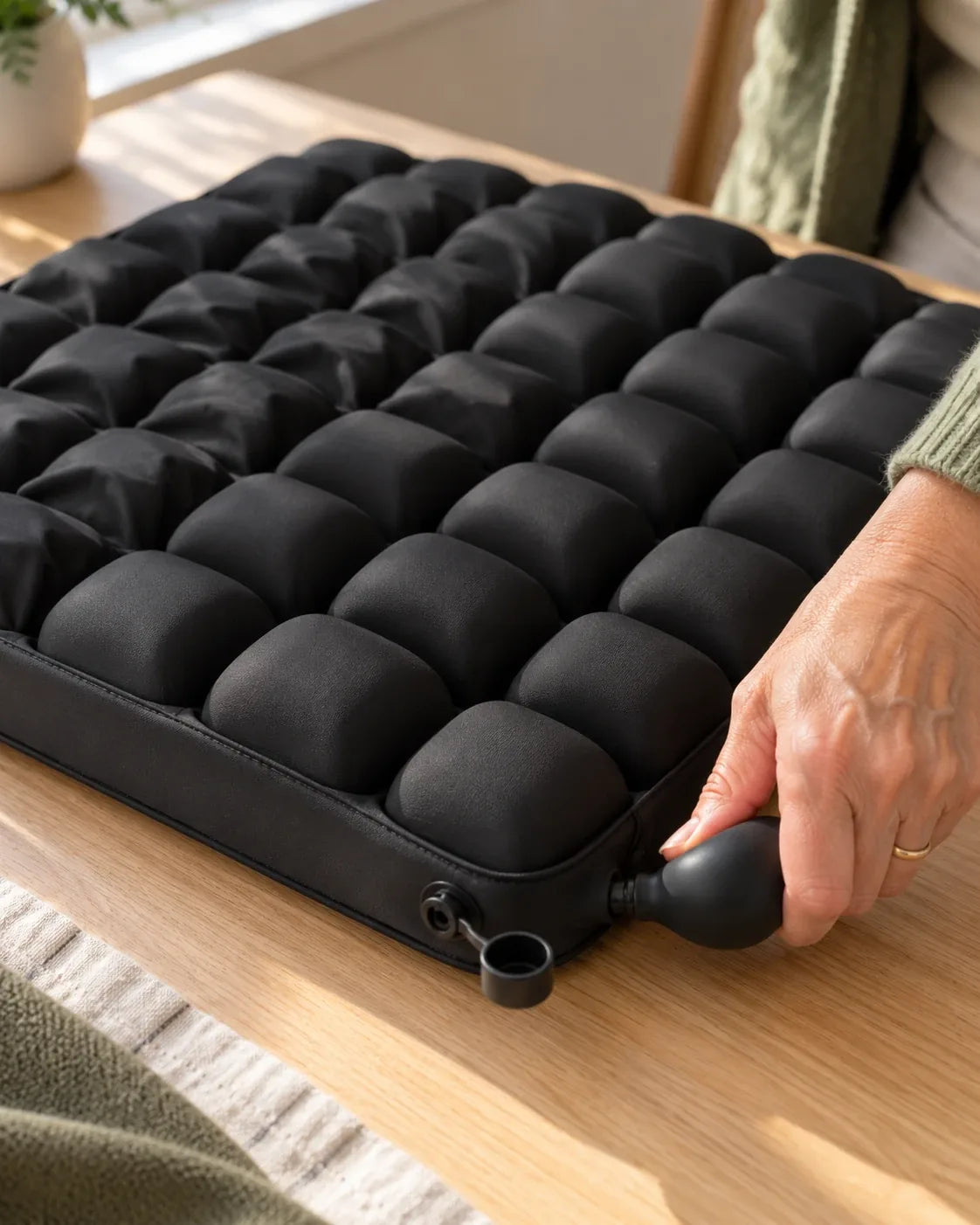
Most travel cushions have to be blown up with your mouth. Think about where that valve has been: on airport floors and on plane seats that get wiped between flights, not washed.
EvenSeat has a small pump built into one corner. You press it with your hand about 30 times and it’s full. It takes less than a minute.
If it feels too firm, press the release button and let a little air out. You can do it sitting down, so you never have to ask the people in your row to get up.
7. You get the first day of your trip back
The pain doesn’t end at the gate. For a lot of people, the first day of the trip is the one they lose: stiff on the drive from the airport, too sore to walk around a new city, needing a day before they can pick up the grandkids.
When you land without the ache, you get that day back.
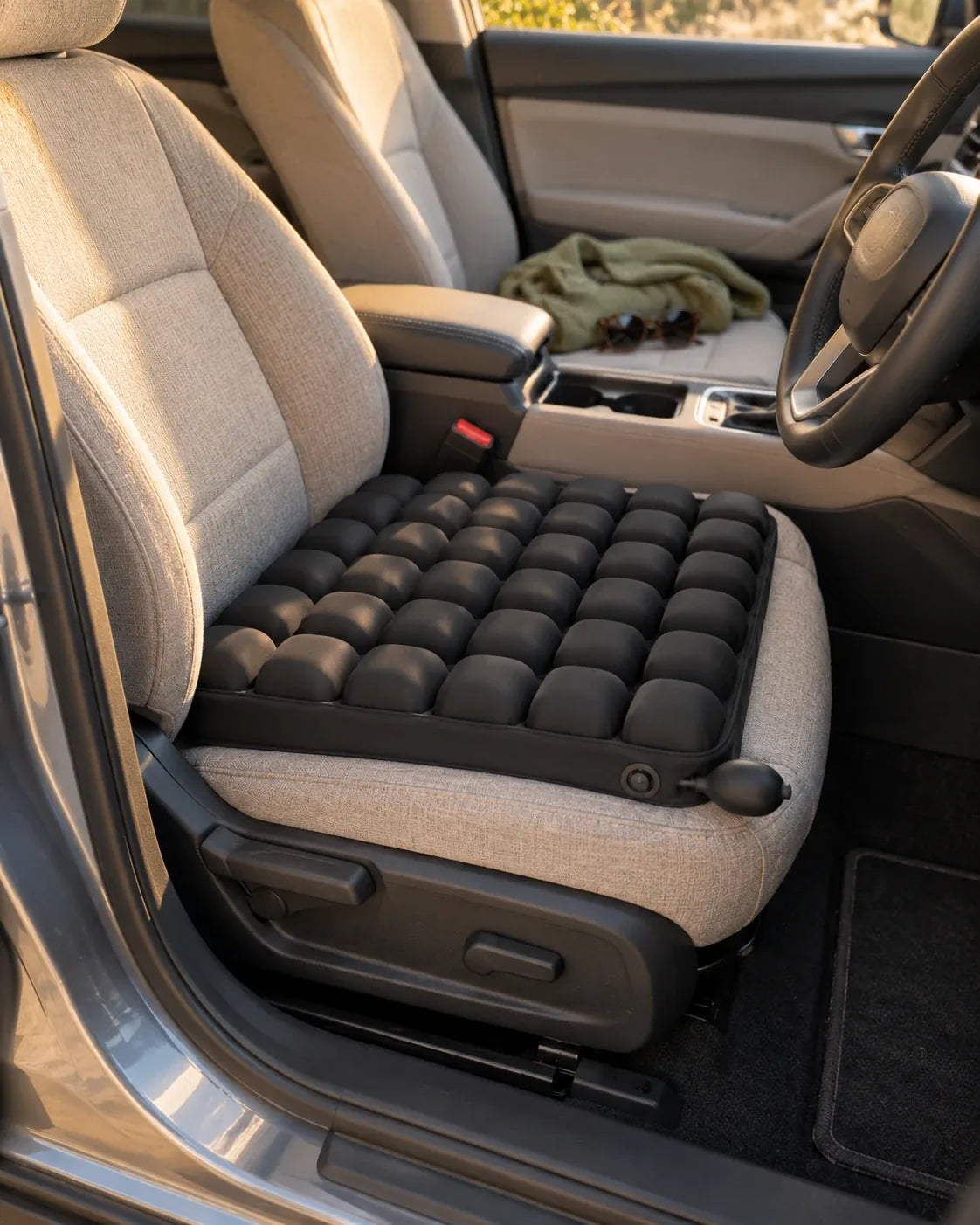
And once people have one, they use it everywhere: long drives, trains, bleachers at the kids’ games, church pews, the office chair. That’s why so many get 2, one for the car and one for the travel bag.
If you’re flying this season
You can’t change the seat the airline gives you. You can bring something better to sit on.
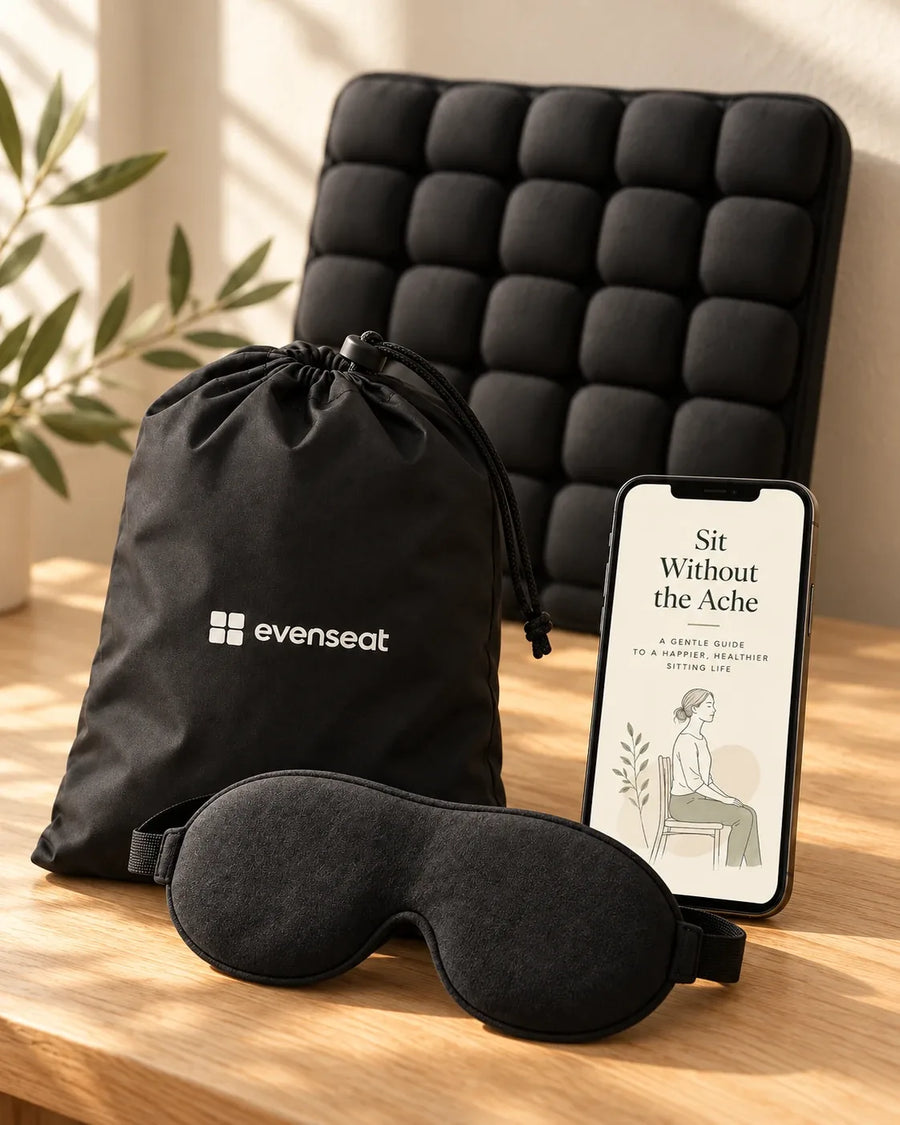
Right now EvenSeat is on sale for fall travel. It usually sells for $99.99. During the sale, 2 cushions cost $119.98, less than $60 each, and orders of 2 or more come with 3 free gifts: a travel carry case, an eye mask and a short guide called ‘Sit Without the Ache’.
Orders ship in 24–48 hours with free tracked shipping. If you have a trip in the next few weeks, order soon so it arrives before you leave. The sale ends {d+3}.
Fall travel sale · ends {d+3}
2 EvenSeat cushions for $119.98 + 3 free gifts
- Save $80 (regular price $199.98)
- 3 free gifts worth $59
- Free tracked shipping
- Ships in 24–48 hours
- 30-day guarantee
Gifts are included with 2 or more cushions.